Data-Driven Marketing: How Brands Make Smarter Decisions in 2026
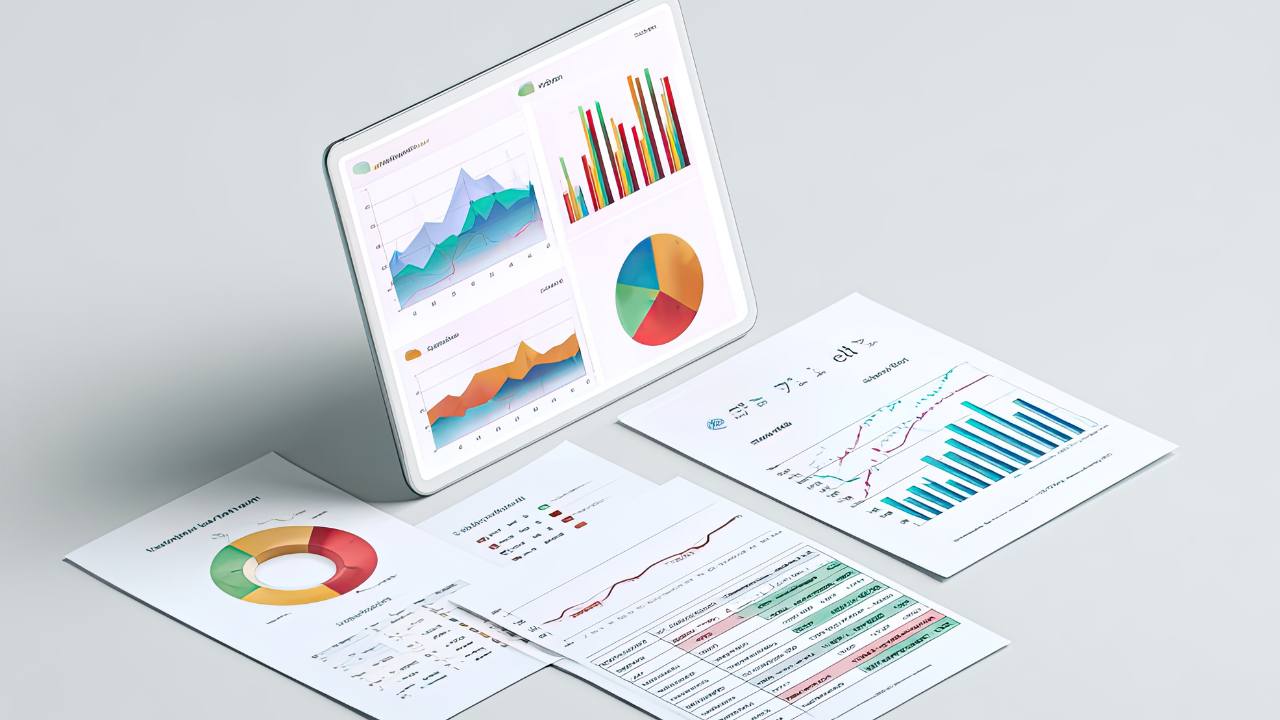
Marketing once relied on gut feeling and broad assumptions. In 2026, the most successful brands make decisions based on data—not guesswork.
Data-driven marketing has become the foundation for understanding customers, optimizing campaigns, and maximizing return on investment.
What Is Data-Driven Marketing?
Data-driven marketing uses customer behavior, performance metrics, and insights to guide marketing strategy. Every interaction—clicks, views, purchases, and engagement—helps brands understand what actually works.
Why Data-Driven Marketing Is Critical in 2026
- Rising customer acquisition costs demand measurable ROI
- Consumers expect personalized, relevant experiences
- Competition is increasingly data-savvy
- Privacy regulations make first-party data essential
Types of Data Used in Marketing
- Customer Behavior Data: Browsing, clicks, drop-offs
- Website Analytics: Traffic sources, conversion paths
- Social Media Data: Engagement, audience insights
- CRM Data: Purchase history, lifetime value
- Advertising Data: CPA, CTR, conversions
- Email Marketing Data: Open and click rates
- Customer Feedback: Reviews, surveys, support data
How Brands Use Data to Improve Marketing
Better Targeting: Brands identify high-value customer segments and focus ad spend on audiences most likely to convert.
Deeper Personalization: Personalized emails, product recommendations, and content significantly outperform generic messaging.
Smarter Content Strategy: Performance data reveals which topics and formats drive engagement and leads.
Optimized Paid Advertising: Real-time campaign data allows rapid optimization and budget reallocation.
Improved Customer Retention: Behavioral data identifies churn risk and enables proactive re-engagement.
Real-World Example: E-Commerce Optimization
A fashion e-commerce brand reduced cart abandonment by simplifying mobile checkout and highlighting preferred payment options. The result: a 28% increase in mobile conversions and a significant drop in abandoned carts.
Popular Tools for Data-Driven Marketing
- Google Analytics & Search Console
- Meta Business Suite
- CRM platforms like HubSpot and Zoho
- Email tools such as Mailchimp and Brevo
- Heatmap tools like Hotjar and Microsoft Clarity
Common Mistakes Brands Make
- Collecting data without acting on insights
- Focusing on vanity metrics
- Analysis paralysis
- Ignoring qualitative feedback
The Future of Data-Driven Marketing
AI-powered analytics, real-time personalization, and privacy-first strategies will define the next phase of marketing success.
Conclusion: Start Small, Think Big
Data-driven marketing is a mindset shift—from assumptions to evidence. Start with simple metrics, test consistently, and refine strategies using real data.
The data is already there. The real question is whether you’ll use it.
Get a Data-Driven Marketing Audit